Understand the Spectrum, Plan the Path

Not all light is equal. UV catalyzes photochemical reactions, visible light fades delicate pigments, and infrared raises surface temperatures that speed damage. Track sun angles across months, map hotspots with your hand or a thermometer, then route beams with films, shades, and reflective weaves.

Rethink Placement Before You Rethink Finishes

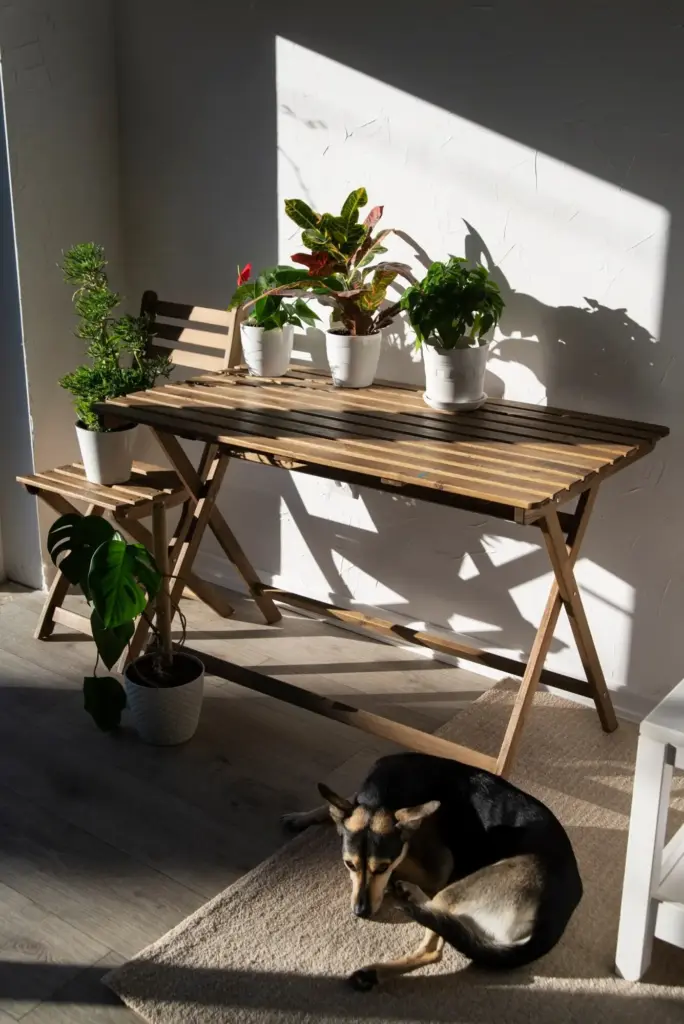
The safest polish is distance. Slide vulnerable woods, leathers, and art a few feet out of direct rays, or offset by thirty degrees to dodge midday intensity. Use side lighting, floating shelves, and taller plants to cast soft, moving patterns that break cumulative exposure.

Humidity: Steering the Invisible Tide

Moisture swings swell fibers, open joints, curl veneers, encourage mold, and embrittle finishes that were once supple. Aim for a steady forty to fifty‑five percent relative humidity, buffered by breathable materials and calm airflow, so furniture lives through storms, showers, cooking, and heating without drama.

Heat: Slow, Silent, and Surprisingly Destructive

Even without direct sun, heat accumulates under windows, above radiators, beside electronics, and behind closed draperies. Elevated temperatures dehydrate wood, embrittle finishes, and soften historical glues. We’ll reposition, insulate, and ventilate, keeping beloved pieces away from hotspots that bake slowly and break suddenly.

Windows, Films, and Shades That Work With Light

We do not have to choose between gloomy rooms and faded furniture. Spectrally selective window films, layered shades, and thoughtful exterior shading cut ultraviolet and infrared energy while leaving generous, flattering daylight. Your eyes relax, colors stay honest, and temperatures drift less across afternoons.
Modern films can block over ninety‑nine percent of UV while trimming infrared, yet preserve visible light and clarity. Choose reputable brands, confirm warranty compatibility with your glazing, and test a sample patch. The right film feels invisible but lowers fading, heat, and glare dramatically.
Combine sheer rollers for daytime privacy with lined drapes or cellular shades for heat control and nighttime coziness. Layers let you tune glare, thermal gain, and acoustic softness hour by hour. Hardware matters; smooth operation encourages everyday use instead of one‑time, forgotten adjustments.
Stopping sunlight before it hits glass is most effective. Fixed awnings, adjustable louvers, pergolas, and deciduous trees trim summer highs while welcoming winter angles. You cool the building envelope, protect finishes nearby, and create layered views that lend depth without sacrificing precious brightness indoors.

Monitoring, Maintenance, and Calm Habits

You cannot manage what you do not measure. Hygrometers, light meters, and inexpensive data loggers reveal patterns HVAC schedules hide. Build weekly check‑ins, seasonal deep looks, and quick responses so small deviations never become cracked legs, lifted veneer, or a heartbreakingly faded arm.

Care by Material: Wood, Leather, Textile, and More

Different materials tell different climate stories. Some crave light oils and soft cloth; others need breathable finishes, conditioners, or UV‑resistant covers. We’ll match care to behavior so each piece gains resilience without plastic barriers or heavy chemicals that trap moisture and accelerate decline.
Keruxunexuhalapihefe
Privacy Overview

This website uses cookies so that we can provide you with the best user experience possible. Cookie information is stored in your browser and performs functions such as recognising you when you return to our website and helping our team to understand which sections of the website you find most interesting and useful.