
Live Beautifully with Zero-Waste Style
Today we explore zero-waste home styling with secondhand and vintage pieces, transforming resourcefulness into a signature look that feels intentional, lived-in, and deeply personal. Expect room-by-room guidance, sourcing secrets, care tips, and creative anecdotes that help you reduce waste, save money, and build a home layered with character, history, and lasting comfort.
Mindset and Materials: Building a Circular Sanctuary
Start with What You Own
Shop your home first by rearranging, editing, and repurposing forgotten objects. Rotate artwork, borrow from other rooms, elevate basics with small fixes, and photograph new layouts to evaluate balance. This reduces impulse buying, reveals gaps worth filling secondhand, and builds confidence in your eye before spending a single dollar.
Understanding Quality and Patina
Train your hands and eyes to read materials: solid wood shows grain continuity, dovetail drawers glide, wool rebounds, linens breathe, metals age with dignity. Embrace scratches that tell a story while avoiding structural damage. Patina can harmonize pieces across decades, creating cohesion through shared authenticity rather than identical finishes.
A Circular Shopping Checklist
Carry measurements, door widths, fabric swatches, and room photos. Note repair skills, tool access, and safe finish preferences. Prioritize multi-use items, repairable construction, and timeless silhouettes. Evaluate odors, pests, and hidden moisture. Walk away kindly when doubts persist; another treasure always appears, often better suited to your evolving vision.

Sourcing Like a Pro: Where Hidden Treasures Live
Great finds prefer patience, early mornings, and local relationships. We’ll map reliable sources and strategies, from neighborhood charity shops to estate auctions and community swaps. Learn to read listing photos, negotiate respectfully, and spot authenticity markers quickly. With consistent routines, you’ll build trust, receive first calls, and rescue remarkable pieces before they vanish to landfill.
Living Room Layers
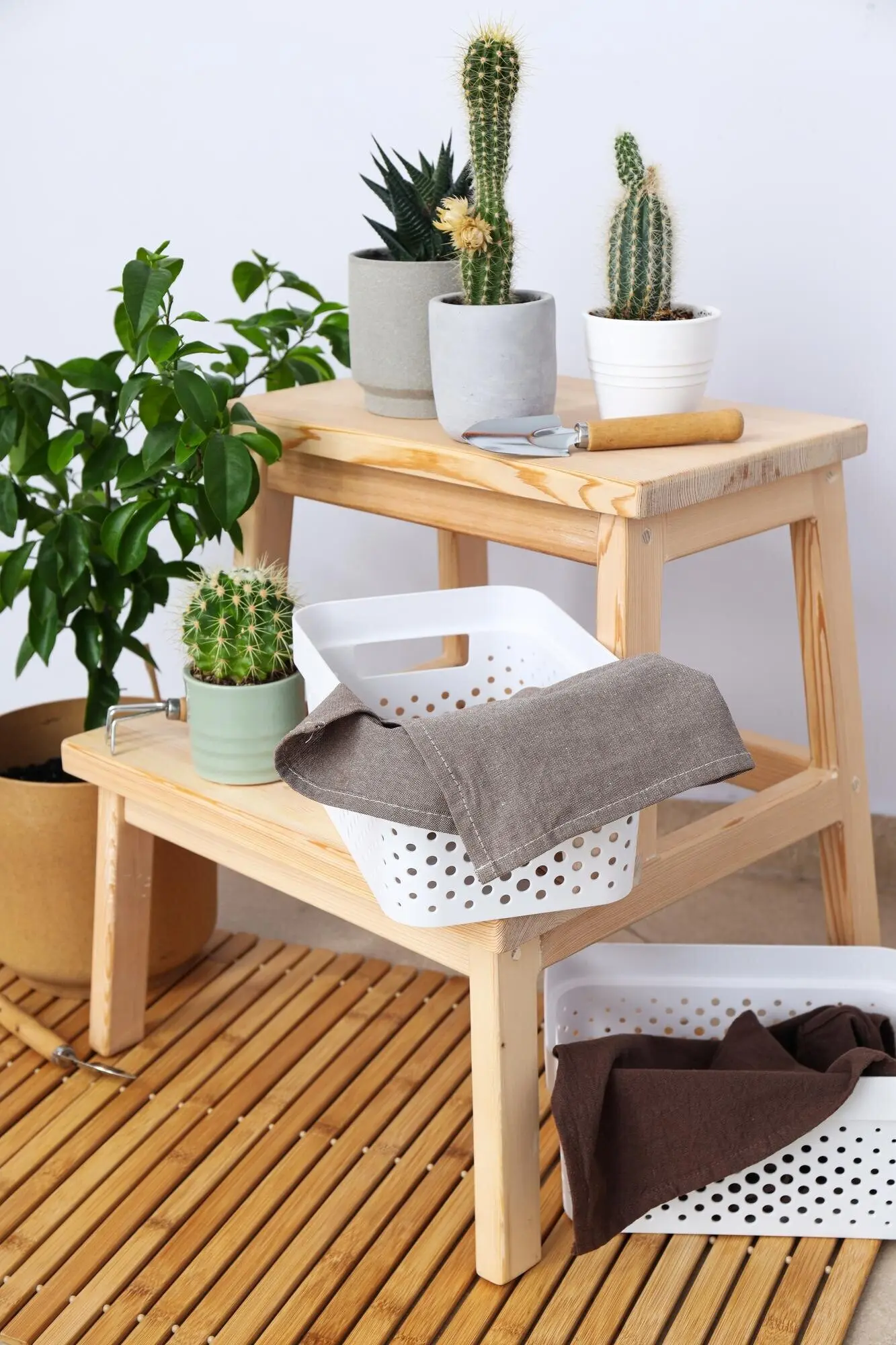
Begin with a durable anchor like a vintage wool rug, then build height with books, lamps, and plants. Mix woods thoughtfully; matching tones matter less than repeating undertones. Edit collections into tight clusters. Leave breathing room around edges so conversation, cleaning, and sunlight always glide easily through.
Kitchen and Dining Harmony
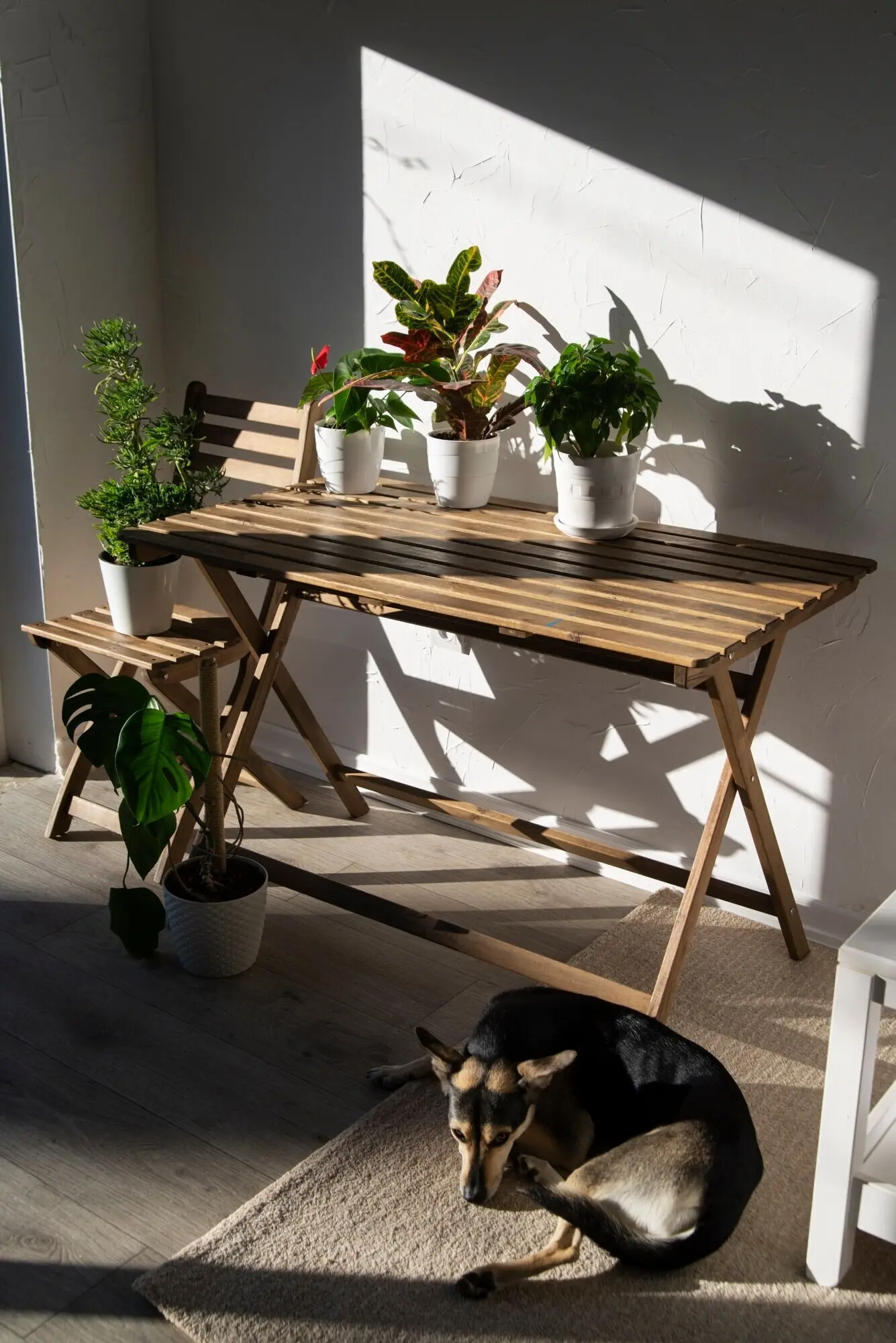
Choose hardworking surfaces and open storage that invites daily use. Display secondhand ceramics by color or utility, not rarity. Pair sturdy farmhouse tables with modern chairs for contrast. Keep pathways clear, lighting warm, and compost within reach, turning every meal into a practical celebration of resourcefulness and community.

Bedroom Calm with History
Let textiles lead: linen sheets, wool blankets, and a quilt with hand-stitched soul. Choose bedside tables for height and storage, not sets. Use soft, repairable lampshades, and vintage art that whispers serenity. Limit screens, embrace scent-free finishes, and invite sleep to settle like gentle, restorative fog.
Care, Repair, and Safe Upcycling
Respect materials with gentle cleaning and reversible upgrades. We’ll focus on non-toxic products, fix-first mindsets, and small interventions that extend life dramatically. Learn to remove odors, tighten joinery, spot veneer, and test finishes safely. Master slow fixes that honor craftsmanship while keeping your space healthy for people and pets.
Wood Revival Basics
Vacuum dust first, then use mild soap and distilled water, drying immediately. Feed thirsty wood with walnut oil or a sparing beeswax blend. Patch scratches with shellac sticks, matching tone carefully. Avoid polyurethane traps; choose finishes you can refresh, so future repairs remain straightforward and pleasantly meditative.
Textile Refresh and Mending
Sun fabrics briefly to lift odors, then handwash natural fibers with gentle detergents. Shave pilling, reinforce seams, and darn tears using visible mending for proud honesty. Rotate cushions, use washable protectors, and store wool with cedar. Every stitch prevents waste and deepens attachment to daily, hardworking comforts.
Sustainable Math: Budgets, Carbon, and Time
Frugality and climate sense can align beautifully. Compare new retail costs with secondhand alternatives, factoring repair supplies and transportation. Consider embodied carbon: reusing an existing oak dresser avoids emissions from logging, milling, finishing, packing, and shipping. Budget for patience, celebrate small wins, and track impact to stay motivated during slower seasons.
Storytelling at Home: Provenance and Personal Meaning
Create a Provenance Tag
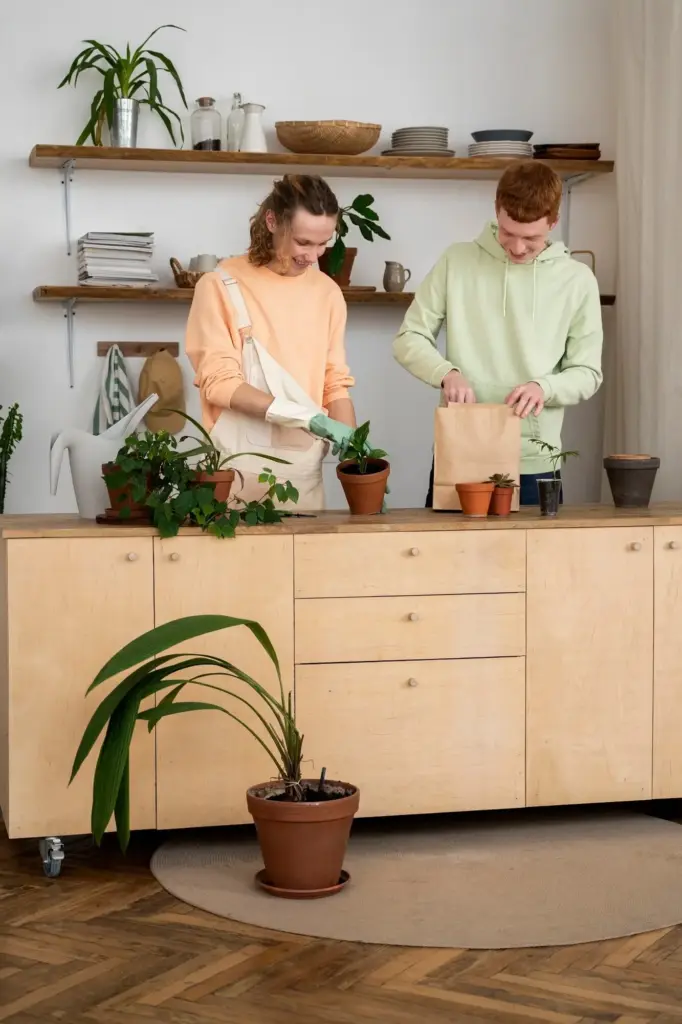
Write a short card or digital note listing where, when, and from whom you acquired each object. Add restoration steps and ethical materials used. Future you, and future caretakers, will appreciate the clarity, reinforcing stewardship and pride across decades of care and appreciative, well-informed enjoyment.
Display with Purpose
Arrange vignettes that reflect daily rituals: a tea corner with heritage cups, a reading chair with inherited lamp, a hallway gallery celebrating travel sketches. Rotate seasonally to prevent fatigue. When objects serve life, beauty becomes practical, and sustainable habits feel natural, supportive, and consistently rewarding every single day.
Host a Swap Night
Invite friends and neighbors to exchange surplus decor, tools, or textiles. Establish gentle guidelines, label sizes, and prep snacks. Share repair stories and sourcing tips while items find new homes. You reduce waste, expand networks, and spark ongoing collaborations that keep beautiful resources circulating locally, joyfully, and affordably.
Community, Sharing, and Ongoing Inspiration
Transformation deepens when we learn together. Join local repair cafes, follow restoration conservators, and cheer small wins loudly. Comment with your latest thrift triumph or question; we’ll respond and feature reader stories. Subscribe for monthly checklists, gentle challenges, and early peeks at experiments that keep momentum lively, supportive, and inclusive.
All Rights Reserved.